Crawl Space Encapsulation Pawleys Island, SC
Pawleys Island presents what may be the most complex crawl space moisture environment in our service area — a narrow barrier island where properties are exposed to moisture inputs from two directions simultaneously. From the Atlantic Ocean side: salt-laden marine air at high relative humidity, driven onshore by prevailing summer winds, enters through east-facing foundation vents and creates condensation on cooler structural surfaces. From the tidal creek side: the salt marsh and tidal creek system that separates the island from the mainland generates its own humidity signature — brackish evapotranspiration that maintains high relative humidity even on days when ocean breeze is minimal. Historic Pawleys Island cottages, some dating to before the Civil War, have foundation systems designed for an era when crawl space moisture management as a discipline did not exist.
Schedule a Free Crawl Space Inspection
Call (843) 585-3994 or send a quick note below.
Why Pawleys Island, SC Crawl Spaces Struggle With Moisture
Pawleys Island sits in Georgetown County, not Horry, so permits run through Georgetown County or the Town of Pawleys Island, depending on the address, for the island as well as Litchfield and Pawleys Plantation. Much of the island falls within FEMA flood zones, so a sealed crawl space design has to keep any required flood openings working. Many older cottages, including those in the Pawleys Island Historic District, rest on brick piers or masonry foundations rather than modern poured or block walls, and those surfaces call for different methods when attaching a vapor barrier and sealing air leaks. A free inspection is the place to sort out which of these apply to your home.
What Crawl Space Inspections in Pawleys Island Often Turn Up
Pawleys Island calls itself “arrogantly shabby,” and many of its cottages are raised on brick or wood piers with open or lattice-enclosed undersides, reached by the North and South Causeways across the marsh. On the island, inspections often find corroded fasteners, damp wood on the marsh side, and insulation exposed to wind-driven salt air. On the mainland, homes in Pawleys Plantation and around Litchfield are more likely to have conventional crawl spaces with builder plastic, sweating ductwork, and sagging insulation. The right approach on the island and on the mainland can be quite different.
Signs of a Crawl Space Moisture Problem
- Musty odors in the living area, often strongest near floor vents.
- Cupping hardwood floors, where board edges curl upward from moisture below.
- Sweating ductwork dripping onto insulation that sags or falls.
- White or gray growth on joists or insulation backing. Learn about crawl space mold.
- A sticky house even while the air conditioner runs.
Crawl Space Services in Pawleys Island
Every visit starts with what the crawl space is actually showing: moisture readings, standing water, and the condition of the vapor barrier, insulation, and ductwork. Each service below links to a page explaining what the work involves, and the full services overview shows how they fit together. Electrical, plumbing, and pest work is referred to licensed professionals.
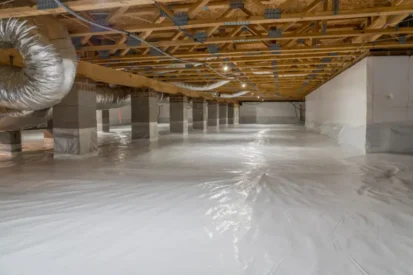
Crawl Space Encapsulation
On the island, raised cottages with open undersides often call for a different approach than a full seal. On the mainland, Pawleys Plantation and Litchfield homes with conventional crawl spaces can usually be sealed and conditioned.
Vapor Barrier Installation
Attaching a vapor barrier to brick piers and masonry foundations takes different methods than modern block walls. On the mainland, builder plastic with gaps is the more common find.
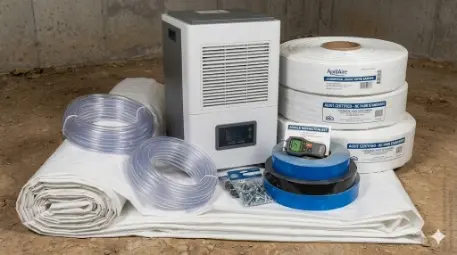

Crawl Space Dehumidification
Mainland crawl spaces sealed against marsh humidity need conditioning. A dehumidifier sized to the space keeps humidity in check through the summer.
Crawl Space Insulation
Insulation exposed to wind-driven salt air under island cottages wears out quickly. Replacement materials are chosen for that exposure.
Crawl Space Mold Remediation
Damp wood on the marsh side of island cottages can show growth. Remediation treats it, and moisture control helps keep it from returning.
Frequently Asked Questions
Is crawl space encapsulation required by SC building code?
No. Under the 2021 South Carolina Residential Code, a vented crawl space is still allowed. Section R408.3 adds the option of a sealed crawl space when the ground is covered with a continuous Class I vapor retarder, seams overlap at least 6 inches and are sealed, the edges run at least 6 inches up the stem wall, and the space is conditioned, for example with a dehumidifier sized at 70 pints per day per 1,000 square feet. Homes in flood zones also need their required flood openings kept working.
How much does crawl space encapsulation cost in Pawleys Island, SC?
Around Pawleys Island, scope depends on whether the home is a raised cottage or a conventional crawl space, flood zone requirements, how much corroded or damp material needs replacing, and access. A free inspection gives you an accurate price.
Does encapsulation add value to a home in Pawleys Island?
Island cottages and Pawleys Plantation homes both draw careful buyers, and inspectors commonly check under the house. Documented moisture control may make a sale smoother, though the effect on value varies.
Pawleys Island
Request a Free Inspection or Call (843) 585-3994
Not in Pawleys Island? See the other Grand Strand communities we serve.