Crawl Space Moisture in Myrtle Beach Neighborhoods: Pine Lakes, Market Common & the Golden Mile
Myrtle Beach is less one crawl space environment than several, and the neighborhood usually points to the problem to look for first. Around Pine Lakes, homes near the golf course that opened in 1927 include some of the older housing in the city, and many still have open foundation vents and original fiberglass batts. Along the Golden Mile and around the Dunes Club, oceanfront and near-ocean lots sit on sandy soil over a shallow water table, so ground moisture and salty marine air arrive together. Near Withers Swash and the city’s other tidal drainage ways, low lots can hold water after heavy rain or king tides.
Schedule a Free Crawl Space Inspection
Call (843) 585-3994 or send a quick note below.
Why Myrtle Beach, SC Crawl Spaces Struggle With Moisture
Market Common was built on the former Myrtle Beach Air Force Base, and lots there may sit on graded or filled ground that drains differently from the natural sandy soils of older neighborhoods like Pine Lakes and the area around the Dunes Club. Newer homes can still develop crawl space moisture when vents stay open through humid summers or a vapor barrier has gaps. Whatever the neighborhood, an inspection looks at the same things: wood moisture readings, standing water, vapor barrier coverage, and whether ductwork is sweating. For the bigger picture, see our guide to crawl space encapsulation in Myrtle Beach and Horry County.
What Crawl Space Inspections in Myrtle Beach Often Turn Up
In older Pine Lakes homes, inspections often find original fiberglass batts that have sagged or fallen, open vents, and plastic sheeting with gaps. Oceanfront homes along the Golden Mile tend to show more corrosion on hangers, fasteners, and ductwork from salt air. In Market Common, newer construction is more likely to have a vapor barrier in place, but ductwork can still sweat when vents stay open all summer. Low lots near Withers Swash may show standing water after storms. Permits inside city limits go through the City of Myrtle Beach.
Signs of a Crawl Space Moisture Problem
- Musty odors in the living area, often strongest near floor vents.
- Cupping hardwood floors, where board edges curl upward from moisture below.
- Sweating ductwork dripping onto insulation that sags or falls.
- White or gray growth on joists or insulation backing. Learn about crawl space mold.
- A sticky house even while the air conditioner runs.
Crawl Space Services in Myrtle Beach
Every visit starts with what the crawl space is actually showing: moisture readings, standing water, and the condition of the vapor barrier, insulation, and ductwork. Each service below links to a page explaining what the work involves, and the full services overview shows how they fit together. Electrical, plumbing, and pest work is referred to licensed professionals.
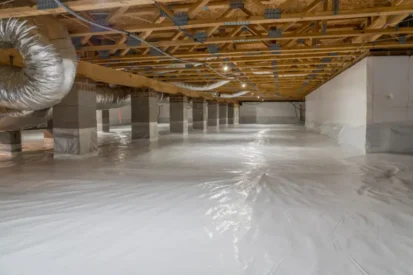
Crawl Space Encapsulation
Golden Mile homes near the ocean often need corrosion-resistant materials and flood-opening planning, while Pine Lakes homes usually start with removing old batts and sealing open vents.
Vapor Barrier Installation
Plastic with gaps is common under older Pine Lakes homes and even some newer Market Common houses. A continuous, sealed barrier over the ground and up the walls closes those gaps.
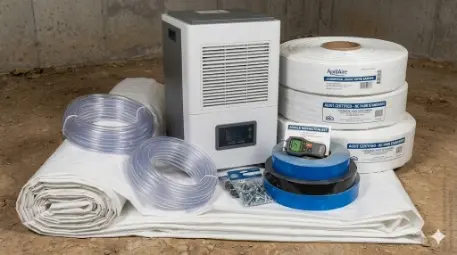

Crawl Space Dehumidification
Myrtle Beach summers keep outdoor humidity high for months. A dehumidifier sized to the crawl space is the usual way to condition a sealed space and stop ductwork from sweating.
Crawl Space Insulation
Original fiberglass batts in older Pine Lakes homes have often sagged or fallen. Replacing them is planned together with the rest of the crawl space approach.
Crawl Space Mold Remediation
Low lots near Withers Swash and older homes with open vents can develop growth on joists. Remediation addresses the growth and the moisture causing it.
Frequently Asked Questions
Is crawl space encapsulation required by SC building code?
No. Under the 2021 South Carolina Residential Code, a vented crawl space is still allowed. Section R408.3 adds the option of a sealed crawl space when the ground is covered with a continuous Class I vapor retarder, seams overlap at least 6 inches and are sealed, the edges run at least 6 inches up the stem wall, and the space is conditioned, for example with a dehumidifier sized at 70 pints per day per 1,000 square feet. Homes in flood zones also need their required flood openings kept working.
How much does crawl space encapsulation cost in Myrtle Beach, SC?
In Myrtle Beach, the main variables are crawl space size and height, how much damaged insulation or plastic needs removal, whether the lot is in a FEMA flood zone, and the dehumidifier the space needs. An oceanfront home on the Golden Mile and a newer Market Common home can call for very different work. A free inspection gives you an accurate price.
Does encapsulation add value to a home in Myrtle Beach?
Myrtle Beach has a steady market for second homes and rentals, and buyers’ inspectors commonly note crawl space moisture. A dry, documented crawl space may be one less item to negotiate, though the effect on value varies by home.
Myrtle Beach
Request a Free Inspection or Call (843) 585-3994
Not in Myrtle Beach? See the other Grand Strand communities we serve.